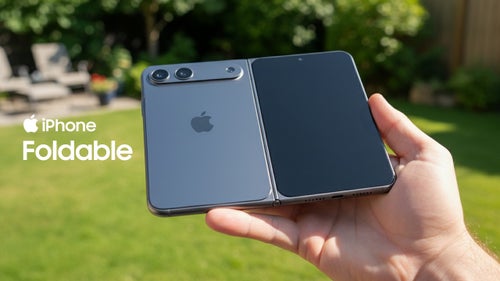
Apple’s long-rumored foldable iPhone Ultra may finally be nearing reality, but early indicators suggest it could hit turbulence on day one. Unlike previous iPhone launches, which benefited from years of iterative refinement, a foldable from Apple enters a market already shaped by Samsung, Huawei, and Google—each with their own scars and lessons. This isn’t just about releasing a new device. It’s about debuting a new form factor under intense scrutiny, and history shows that even Apple isn't immune to missteps in uncharted territory.
If the foldable iPhone Ultra launches with unresolved hardware, software, or supply issues, it could damage Apple’s reputation for polish and reliability.
The Foldable Design Brings New Failure Points
Flexibility is the selling point—but also the weak spot. Every foldable phone to date has faced skepticism around hinge durability, screen creasing, and long-term wear. The iPhone Ultra will need to outperform existing models not just in marketing, but in real-world resilience.
Consider Samsung’s Galaxy Z Fold series: despite multiple generations of refinement, users still report issues with:
- Dust infiltration damaging internal displays
- Hinge creaking after months of use
- Outer screen fragility due to ultra-thin glass
Apple may use a custom hinge made from titanium or aerospace-grade alloys, and rumors suggest a proprietary polymer screen layer instead of traditional UTG (ultra-thin glass). But new materials bring new risks. If early units show cracking, peeling, or inconsistent folding mechanics, Apple could face widespread backlash—and costly replacements.
Worse, Apple’s no-service-policy for unauthorized repairs means users with minor hinge or screen issues may face $500+ out-of-pocket costs, fueling frustration.
Software Optimization: iOS Isn’t Built for Folding
The iPhone Ultra won’t just need a flexible screen—it needs a flexible OS. iOS, despite iPadOS’s split-screen features, has never been designed for dynamic aspect ratio changes, multi-active apps, or fold/unfold animations.
Compare this to Samsung’s One UI or Google’s Android 14, both of which include native support for foldable behaviors:
- App continuity when switching from folded to unfolded state
- Taskbar-like quick app switching on large inner screens
- Adaptive UI elements that reflow based on screen size
Without deep OS integration, the foldable iPhone Ultra risks feeling like a gimmick. Imagine launching Maps in folded mode, unfolding the device, and watching the interface awkwardly stretch instead of reformatting into a split-view layout. Or trying to multitask with Messages and Safari, only to find one app minimized or frozen.
Early adopters are tech-savvy, but they’re not patient. If iOS doesn’t treat the foldable form factor with purpose, reviews will highlight clunkiness over innovation.
Supply Chain Constraints Could Limit Availability
Even if the design and software are functional, Apple may struggle to deliver units at scale. Foldable displays require specialized manufacturing processes, and yield rates for flexible OLED panels remain low across the industry.
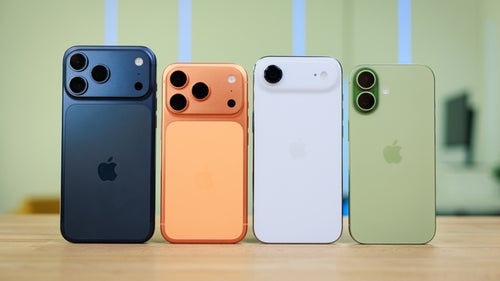
Samsung Display currently dominates foldable panel production, supplying not just Samsung but also Motorola and Google. Apple, aiming for vertical control, may rely on LG Display or a new production line in China. But ramping up capacity takes time.
Rumors suggest Apple has ordered only 6 million units for the first quarter—dramatically lower than the 40–50 million of a standard iPhone launch. That scarcity could lead to:
- Immediate sellouts followed by long wait times
- Scalping and inflated resale prices
- Perception of failure due to limited access
Remember the Apple Vision Pro? Its constrained rollout made it feel like a niche product, not a mainstream breakthrough. If the foldable iPhone Ultra follows that path, it may struggle to gain momentum—even if the technology is sound.
High Price Tag Increases Risk of Buyer’s Remorse
Pricing is expected to start at $1,999—possibly rising to $2,499 for higher storage variants. That’s double the cost of an iPhone 15 Pro Max. At that level, consumers won’t just compare it to other foldables. They’ll weigh it against laptops, tablets, and premium smartphones combined.
But early adopters pay a premium for access, not perfection. The real danger is when mainstream users start questioning value.
A $2,000 phone must deliver flawless performance. If users report:
- Battery life that doesn’t last a full day
- Camera quality that doesn’t match the Pro models
- Overheating during extended use
Then “buyer’s remorse” becomes a trend, not an outlier. Social media will amplify every flaw. And unlike software bugs, hardware issues can’t be fixed with a patch.
Competition Already Has Years of Iteration
Apple isn’t first to the foldable game. Samsung has released six generations of Galaxy Z Folds and five of Z Flips. Motorola’s Razr line has seen multiple redesigns. Huawei, despite US sanctions, continues pushing boundaries with ultra-thin foldables.
These companies have learned hard lessons:
- Samsung shifted from fragile inward-folding designs to reinforced frames
- Motorola improved hinge durability after early Razr models failed
- Google added water resistance to the Pixel Fold after user complaints
Apple is entering a mature market with high expectations. There’s no grace period. Reviewers will benchmark the iPhone Ultra against the Galaxy Z Fold 5, not the original 2019 model.
And if Apple’s version is thicker, heavier, or less refined than its competitors, headlines will be brutal. “Apple’s Foldable Falls Short” doesn’t sound like a launch—it sounds like a retreat.
Carrier and Retail Readiness May Lag
A successful launch isn’t just about the device. It’s about the ecosystem around it.
Carriers like Verizon, AT&T, and T-Mobile will need to train staff on the foldable’s features, durability concerns, and insurance options. Stores must stock display units, protective cases, and demo models. But foldables are still niche—many sales reps may not understand them.
Worse, AppleCare+ for a foldable iPhone Ultra will likely carry a higher premium—and may exclude certain types of damage. If screen creasing or hinge wear isn’t covered, customers will feel betrayed.

Retailers may also understock the device, assuming low demand. Then, when it sells out, they can’t replenish fast enough. This creates artificial scarcity and frustrates consumers who don’t understand why they can’t buy a $2,000 phone.
Manufacturing Defects Could Trigger Early Recalls
High complexity means higher risk of defects. Foldables combine flexible circuits, dual batteries, multi-axis hinges, and ultra-thin displays—all packed into a slim profile.
Past product launches show how quickly things can go wrong:
- The iPhone 4 had antenna issues (“Antennagate”)
- The iPhone 6 Plus suffered from “Bendgate”
- The MacBook Butterfly keyboard faced mass failures
A single defect in the foldable iPhone Ultra—like a hinge that loosens after 10,000 folds (below Apple’s expected 200,000-fold target)—could trigger a recall or class-action lawsuit.
Even if only 1% of units fail, that’s 60,000 dissatisfied customers. In the age of viral unboxing videos and Reddit threads, one viral post can define the entire launch.
Can Apple Avoid the Pitfalls?
Possibly—but not without trade-offs.
Apple could delay the launch to fix software, improve yield rates, or refine the hinge. But that delays revenue and cedes more ground to competitors.
It could release a limited “developer edition” first, like with Vision Pro, to gather feedback. But that would disappoint fans expecting a full consumer launch.
Or it could go all-in, betting that brand loyalty will outweigh early flaws. That worked with the Apple Watch, which launched with limited battery life and app issues—but improved over time.
The foldable iPhone Ultra isn’t just another iPhone. It’s a statement. And statements made too soon can become liabilities.
Prepare for a Rocky Start—Then Watch for Fixes
If you’re considering buying the foldable iPhone Ultra on launch day, proceed with caution.
Wait for at least two weeks of real-world reviews. Watch for patterns: are multiple users reporting screen flickering? Hinge stiffness? App crashes?
Buy from a retailer with a generous return policy. Consider skipping AppleCare+ until its coverage terms are clear.
And remember: early adopters don’t buy devices for perfection. They buy them for potential. The foldable iPhone Ultra might not be great on day one—but it could become great by day 300.
FAQs
Will the foldable iPhone Ultra be waterproof? Unlikely to have full IP68 rating at launch. Foldable seals are still evolving, and Apple may prioritize thinness over water resistance.
Can I replace the screen if it gets damaged? Yes, but it’ll be expensive—likely over $600. Apple may not offer mail-in repairs initially due to complexity.
Will it run all iOS apps properly in folded and unfolded modes? Not immediately. Developers will need to optimize apps. Some may display stretched or letterboxed until updates arrive.
Is the outer screen large enough for daily use? Expected to be around 6.5 inches—usable, but smaller than Galaxy Z Fold’s 7.6-inch inner screen when open.
Will it support Apple Pencil? Probably not at launch. No rumored support, and iOS lacks native stylus integration outside iPadOS.
How many charging cycles will the battery last? Likely rated for 1,000 cycles, but dual batteries in foldables often degrade faster due to space constraints.
Should I buy it on launch day? Only if you’re a tech enthusiast comfortable with potential bugs. Most users should wait 3–6 months for reviews and updates.
FAQ
What should you look for in Foldable iPhone Ultra Could Face Launch Day Issues? Focus on relevance, practical value, and how well the solution matches real user intent.
Is Foldable iPhone Ultra Could Face Launch Day Issues suitable for beginners? That depends on the workflow, but a clear step-by-step approach usually makes it easier to start.
How do you compare options around Foldable iPhone Ultra Could Face Launch Day Issues? Compare features, trust signals, limitations, pricing, and ease of implementation.
What mistakes should you avoid? Avoid generic choices, weak validation, and decisions based only on marketing claims.
What is the next best step? Shortlist the most relevant options, validate them quickly, and refine from real-world results.